

Ever notice how buying a car these days can feel like trying to grab that last snack on a busy shelf? U.S. car sales are having a tough time with low stock and prices that keep rising. But here’s a fun twist: luxury cars and electric rides (cars that run on batteries instead of gas) are completely changing the game.
In this blog, we'll break down a market that's shifting in surprising ways. We’ll chat about how new trends are influencing both dealers and drivers. Grab a seat and get ready, let’s dive into what’s really pushing auto sales forward.
Current Landscape of Auto Sales Trends

Auto sales in the U.S. have taken a hit this year. Inventory is scarce and prices are climbing, leaving many dealers with slower sales so far. It’s like trying to grab your favorite snack at a busy store, you just can’t find it like you used to.
The ongoing chip shortage is still a big hurdle. These chips (tiny electronic parts that help your car run) are now almost as vital as oil. Because of this, car makers are forced to cut back on production, slowing the arrival of new models on dealer lots.
Even with these setbacks, luxury brands are bucking the trend. While the overall market feels a bit flat, high-end vehicles are pulling in buyers who want top-notch performance and exclusive features. This shows a clear split, where a select group is eager to invest in a premium ride despite a general market slowdown.
On the bright side, the global market for auto parts has been steadily growing over the past twenty years. This solid parts supply gives hope for more stable production in the future. Plus, buying a car is starting to feel as simple as ordering your favorite meal online, digital platforms are making the process smoother and more accessible.
For more insights on these trends, check out our auto market trends page for a closer look at sales performance and the key factors driving the market forward.
Electric Vehicle Surge in Auto Sales Trends
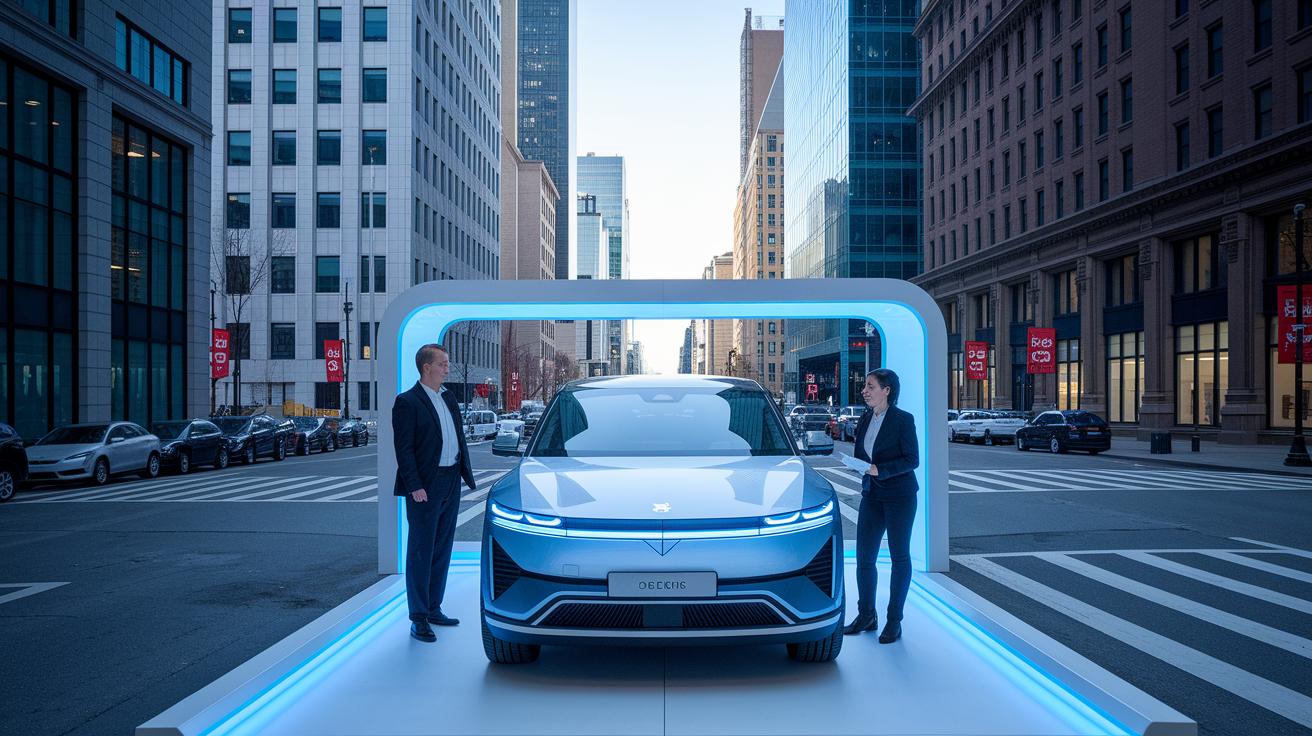
Battery-electric vehicles are picking up speed all over the world, turning the auto industry on its head for 2025 to 2027. Check this out: in some places, electric cars might soon outnumber gas-powered ones. It’s a fast-changing scene!
Hybrid models and new power options are stealing the spotlight too. Car makers are not just fine-tuning battery life; they're also testing things like hydrogen fuel (a type of cleaner energy) and other innovative power sources. These fresh choices give drivers more room to maneuver and even better performance, making the switch to green rides super appealing.
On top of that, self-driving features are starting to reshape how cars are made. These smart, driver-free systems boost safety and could even change how cars are sold. And with 5G and IoT (technology that lets devices communicate) coming into play, cars can now talk to charging stations and share real-time traffic info. Imagine your car not only driving itself but also keeping you in the loop with the latest updates!
This blend of electric power and smart connectivity is changing auto manufacturing and setting new trends on the sales floor. No wonder eco-friendly and tech-savvy drivers are all in!
Regional Variations in Auto Sales Trends
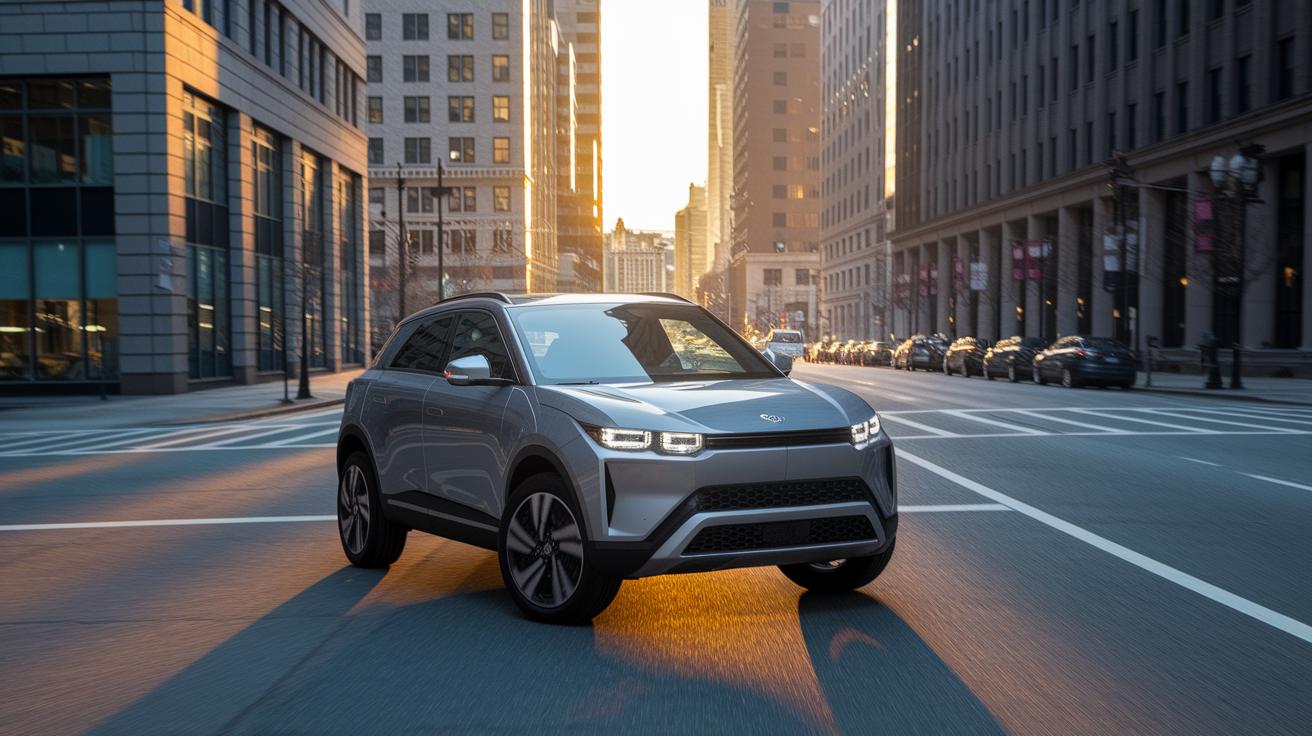
Auto sales really show how different regions have their own vibe. In Colorado, special local deals and a passion for outdoor adventures mold what buyers look for. It’s a great example of how state rules and nearby tastes can steer the market. Over in the city, compact crossovers are becoming popular because they’re smart designs made for tight urban spaces. Picture an urban driver choosing one for its blend of cool style and smooth city performance.
On the flip side, suburban areas lean toward bigger vehicles like SUVs and pickup trucks that offer plenty of room and a tough, ready-for-anything feel. Here, economic conditions really count, imagine families needing extra seats or cargo space for fun road trips on weekends. Local offers can make or break a model’s popularity, with state incentives, regional economic strength, and local trends all playing a big part.
All in all, these shifts aren’t just numbers on a graph. They capture the heart and soul of each community, showing a market that’s as diverse and unique as the people driving these cars every day.
Seasonal and Post-Pandemic Patterns in Auto Sales Trends

Car sales are taking on a new rhythm these days, thanks to seasonal trends and the boost from post-pandemic recovery. Holiday seasons bring in fresh energy with luxury brand deals and loyalty programs that spark real excitement among buyers. I remember hearing about one festive campaign by a big luxury brand that revved up interest and sales, proof that a little holiday magic can flip a quiet market on its head. And with events like the 2025 Subaru Share the Love® event aiming to generate over $350 million in charitable donations, both consumer spirit and dealer activity are getting a nice lift.
Post-pandemic times have nudged the market in unexpected directions, too. The second and third quarters have shown stronger performance as production smooths out, and dealers are riding the wave of rising consumer confidence. It’s like finding that perfect gear on a sunny drive, everything clicks into place. This blend of timely promotions and a steady return to normal production is carving out clear, data-driven trends that keep the auto world buzzing.
Forecasting and Market Projection in Auto Sales Trends

Charlie Chesbrough, the senior economist at Cox Automotive, has been digging into January 2025 sales data. He’s keen on spotting trends by looking at everything from supply chain hiccups, like the ongoing chip shortage (tiny electronic parts that keep your car’s brains running), to shifts in how buyers feel. It’s like checking your car’s dashboard to see what might be coming next.
Experts mix short-term trends with long-term hopes to get the full picture. They take today's data and compare it with past patterns, much like checking last year’s weather to guess tomorrow’s. This approach helps them see how supply issues and rising prices might slow things down. Even though predictions show slow, steady growth for 2025, the goal is always to sharpen these models for spot-on accuracy.
Analysts now use real-time numbers alongside historical data to figure out everything from consumer spending habits to production schedules. They’re looking at all the little details, kind of like tuning an engine until it purrs perfectly. This balanced view is what helps them guide projections for the coming 12 to 24 months.
By using advanced techniques, the automotive world is better at reading both today's trends and tomorrow’s challenges. This ongoing analysis is crucial for switching gears when market conditions shift unexpectedly. For a deeper dive into these techniques, check out future auto sales. In short, mixing short-term clues with long-term forecasts is key to turning today’s bumps into tomorrow’s open roads.
Technology and Digital Transformation in Auto Sales Trends

The auto world is revving up as digital tools take over. More buyers are now picking out and purchasing cars online, turning the old dealership trip into a smooth, all-digital ride. Picture yourself browsing for your new car from your couch. No need to visit a showroom when an online platform can guide you step-by-step.
Virtual showrooms and 360° video tours are grabbing attention by letting you see every detail of a car up close. It’s almost like taking a test drive right from your computer screen. Imagine exploring a car from every angle, just as if you were strolling through your favorite museum at home. This fresh take keeps you engaged and helps more people make a decision online.
Social media outreach is also speeding up this digital shift. Cool campaigns and chatbots powered by AI are now like a friendly salesperson who’s always available, ready to answer your questions or even help with financing options. Buyers enjoy real-time updates and personal support that help turn online browsing into a confirmed purchase. In short, the digital car-buying journey is quick, easy, and perfectly in line with today’s fast-paced lifestyle.
Supply Chain and Economic Factors Impacting Auto Sales Trends

Supply chain hiccups like the ongoing semiconductor shortage (tiny electronic parts that act like your car's brain) are causing production delays and pushing up costs. Over the past twenty years, the auto parts market has grown steadily, proving its long-term strength. But right now, issues like chip shortages are keeping production levels lower than expected. It's a bit like waiting for an important package, you know it's on its way, but the timing is always a mystery. Even a small adjustment to your car, like a tweak to the suspension, can really change how it feels on the road.
Tariff and Regulatory Fee Impacts
Rising tariffs and new fees are putting extra pressure on car makers, forcing them to rethink their pricing as profits take a hit. This change is similar to a minor engine adjustment that, while small, sends ripples through the overall production costs.
| Factor | Impact |
|---|---|
| Semiconductor Shortage | Delayed production and higher costs |
| Tariff & Regulatory Fees | Pressure on margins and changes in pricing |
Segment and Brand Performance in Auto Sales Trends
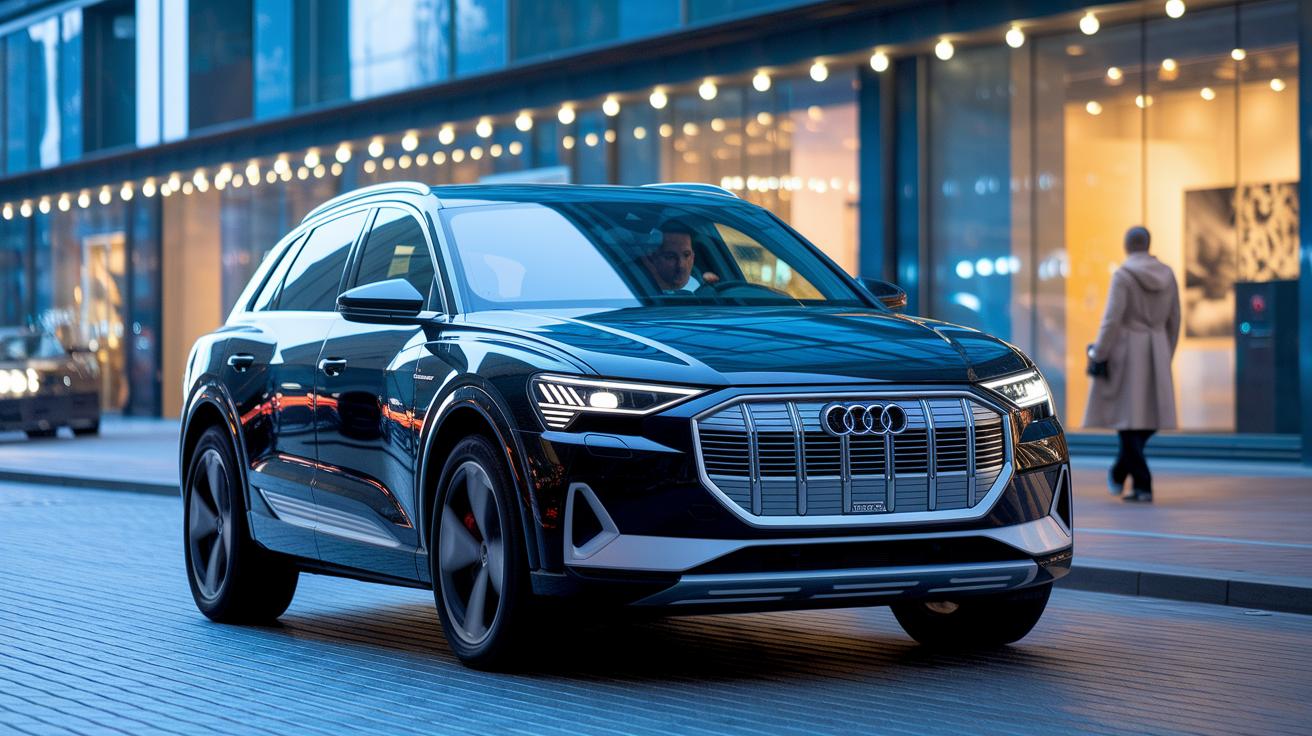
Luxury car brands are holding their own even when other parts of the market are slowing down. Sales data shows that upscale vehicles are standing out amid the overall drop in numbers. Think about it: while budget models and everyday sedans gain only a little traction, high-end brands grab attention with their top-notch build quality and unique features.
Audi’s Q3 launch in 2026 got everyone talking. It mixes extra power with top safety features in a sleek package. This isn’t just about looking good, it’s proof that luxury cars are using smart tech and style to win more customers.
At dealerships, things are shifting too. Rising values and loyalty-based sales are stirring up activity. Dealers now have more data to compare affordable cars against performance ones, helping them highlight top brands when closing deals.
SUVs and pickup trucks are still big players. Buyers like them because they offer both functionality and a rugged charm. And even in the more affordable segment, steady production and competitive pricing keep things lively. All in all, different types of buyers help make both luxury and practical cars shine in their own way.
Final Words
In the action, we explored auto sales trends from rising chip scarcities and digital retail breakthroughs to regional shifts and brand performance surprises. We looked at how electric and hybrid vehicles are entering the market while seasonal events and supply chain issues shape yearly numbers. The forecast models and market data paint a clear picture of a dynamic automotive scene. All these insights give a fresh view of how auto sales trends are steering the industry into exciting new territories. Stay tuned for more thrilling updates.
FAQ
What do auto sales trends and forecasts suggest for 2025?
The auto sales trends and forecasts for 2025 indicate modest growth paired with challenges like low inventory and chip shortages. Market performance is shaped by rising prices and shifting consumer demand.
How do U.S. car sales by brand and rankings compare in 2025?
The U.S. car sales by brand and rankings highlight changing consumer preferences. Sales vary among brands as inventory issues and promotional events impact which names lead the market this year.
What does U.S. vehicle sales by year data reveal?
The U.S. vehicle sales by year data reveal patterns tied to economic shifts and production challenges. Annual graphs show how factors like supply chain bottlenecks and consumer confidence cause up and down swings.
What is the 30-60-90 rule for cars?
The 30-60-90 rule for cars is a guideline used by some dealerships to assess performance at different speed intervals. It helps determine how well a car handles acceleration, cruising, and high-speed driving.
How much commission does a car salesman typically earn on a $30,000 car?
The commission on a $30,000 car varies by dealership but generally ranges from a few hundred dollars to over a thousand dollars, depending on incentives, sales targets, and individual performance.
Why are people not buying cars right now?
The slowdown in car buying is influenced by supply shortages, rising vehicle prices, and economic uncertainties. Issues like the semiconductor chip shortage lead to production delays, prompting buyers to postpone purchases.


daily sildenafil reddit
daily sildenafil reddit
viagra pill purchase
viagra pill purchase
finasteride 1mg review
finasteride 1mg review
semaglutide injectie schema
semaglutide injectie schema
bluechew vardenafil instructions
bluechew vardenafil instructions
bupropion in combination with naltrexone
bupropion in combination with naltrexone
compounded liraglutide vs zepbound
compounded liraglutide vs zepbound
toradol clinical duration
toradol clinical duration
ivermectin for papulopustular rosacea
ivermectin for papulopustular rosacea
ivermectin cellular mechanism
ivermectin cellular mechanism
minoxidil study results
minoxidil study results
minoxidil men’s coverage improvement
minoxidil men’s coverage improvement
sildenafil absorption delay
sildenafil absorption delay
avanafil contraindication patient warnings
avanafil contraindication patient warnings
amoxicillin yeast infection risk
amoxicillin yeast infection risk
Peak Concentration Concepts
Peak Concentration Concepts
Onset Timing Reference
Onset Timing Reference
cephalexin brand and generic products
cephalexin brand and generic products