

Ever skip an oil change and then suddenly hear your car coughing and sputtering? Routine car care isn’t just about avoiding a breakdown on the side of the road, it’s about treating your ride right. In this guide, we share easy tips to keep your engine running smoothly, your tires in top shape, and your brakes dependable. With simple steps and no-fuss advice, you’ll see how a bit of everyday maintenance can boost your car’s performance and save you cash. Stick with us to learn how to give your car the love it deserves.
Car Maintenance Guides Basics for Vehicle Longevity
Taking care of your car with routine maintenance is a must if you want it to stay safe and run smoothly. Regular upkeep, like getting oil changes (which act like fresh blood for your engine) and checking the air filter, helps prevent those unexpected breakdowns. Think about it, skipping a simple oil change might lead to big engine troubles later!
Sticking to a maintenance schedule not only keeps your car in top shape but can also save you money. When you routinely check key parts like brakes and batteries, your vehicle performs better and more efficiently, which means fewer surprises on the road. It’s kind of like giving your ride a little tune-up to keep everything running right.
Every driver should focus on a few basic tasks: change the oil regularly to prevent engine wear; replace the air filter to keep your car breathing easily; inspect your tires to ensure safe road contact; check the brakes so you can stop reliably; care for your battery to avoid start-up issues; keep an eye on all fluids, like coolant, transmission, brake, power-steering, and washer fluids; and finally, inspect the timing belt or chain to steer clear of major engine damage. These simple steps work together to keep your car safe, efficient, and ready for the open road.
Vehicle Upkeep Strategies with Servicing Manual Guidance in Car Maintenance Guides

Your owner's manual is like a friendly map to keeping your car safe and smooth on the road. It clearly shows when to get things checked – from oil and coolant to brakes – so you can avoid sudden, unwanted breakdowns. Sticking to its advice helps trim repair costs and keeps your car running at its best.
Reading Your Maintenance Chart
The maintenance chart in your manual is arranged in neat sections with clear codes telling you when to perform each service. It lists things like oil changes, tire rotations, and fluid checks, so you easily know what needs attention and when. This layout makes planning your service visits a breeze, letting you stay on top of your car's needs without any fuss.
Interpreting Dashboard Warnings
Your car’s dashboard lights give you quick hints about its overall health. For instance, if a light for the check engine, oil pressure, battery, or coolant comes on, it’s a sign to peek at your manual for next steps. If you see an oil pressure light, it could mean it’s time to check your oil level or schedule a service, keeping problems from growing into bigger issues.
By matching your manual’s tips with your daily drives, you turn routine maintenance into an easy task that keeps your ride both safe and fun to drive.
Car Maintenance Guides Oil Change Tutorial: Tools and Procedures
Regular oil changes are like giving your engine a fresh start. When you change your oil every 3,000–5,000 miles, you help keep the engine running smoothly by clearing out dirt and built-up gunk while keeping everything slippery and ready to go. Think of it as a little tune-up that makes your ride purr like a happy, well-tuned machine.
Here’s what you'll need:
- Wrench
- Oil pan
- Funnel
- Filter wrench
- Jack stands
- First, safely lift your car using jack stands.
- Next, drain the old oil into the oil pan.
- Carefully take off the old oil filter with your filter wrench.
- Then, screw on the new oil filter, making sure you follow the recommended tightness.
- Use the funnel to pour in fresh oil that meets your car’s specs.
- Check the oil level with the dipstick and add more if needed.
- Run the engine for a few minutes to look for any leaks, just to be sure.
- Finally, reset the service light to wrap things up.
When you’re done, remember to dispose of the used oil properly. Take it to a recycling center that accepts automotive fluids instead of pouring it down drains or on the ground. Keep it safely in a sealed container until you're ready to drop it off. That way, you're looking after your car and doing your bit to protect our environment.
Car Maintenance Guides Tire and Brake Care Procedures
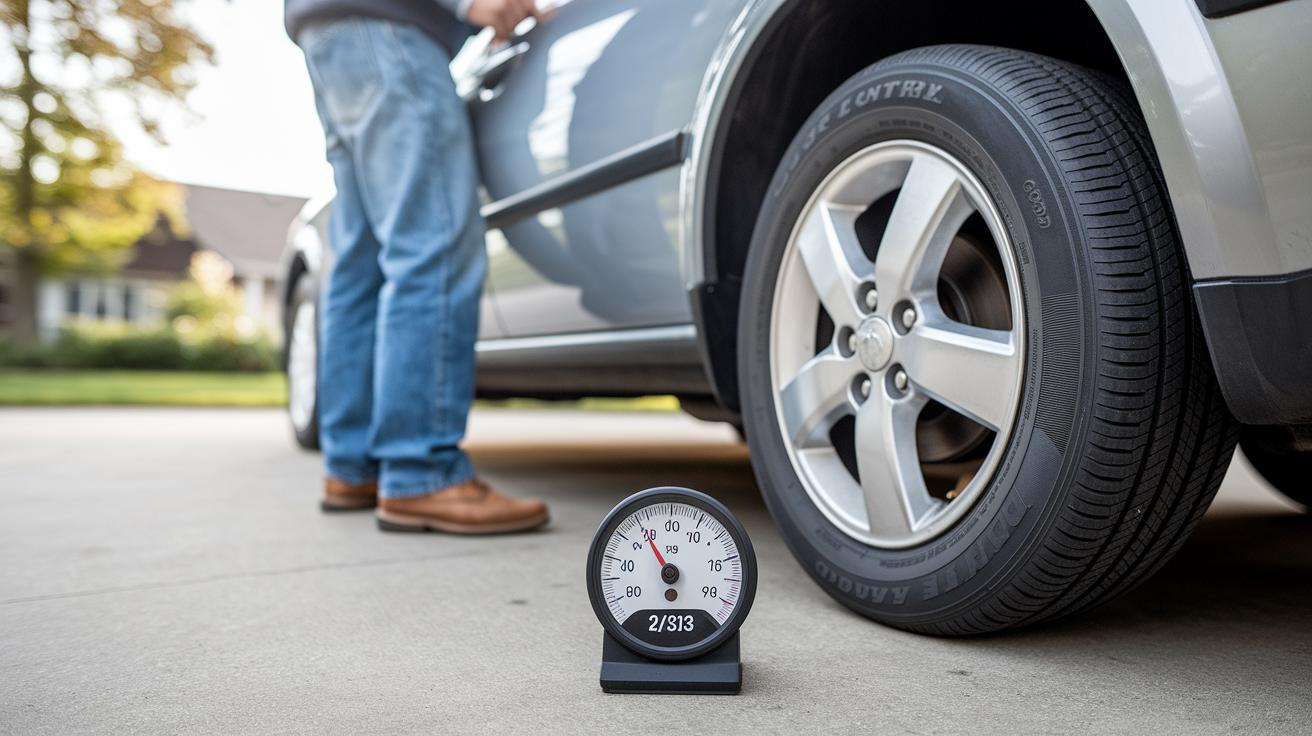
Rotate your tires every 5,000 to 7,500 miles to ensure they wear evenly and give you a smooth ride. Keep an eye on the tire pressure too, because even a tiny change can affect performance, if the temperature shifts by 10°F, try adjusting the pressure by about 1 psi. And don’t skip balancing your tires on every other rotation; this helps cut down on vibrations and keeps your drive as steady as can be. Regularly check the tread depth, too; keeping it at least 2/32 inch will help your tires hold the road and last longer. Think of your tires as the unsung heroes that keep each journey safe and comfortable.
When it comes to brakes, safety always comes first. Check your brake pads to make sure they aren’t worn thinner than 3 mm, and take a look at the rotors for any rough spots or uneven wear. Also, make sure the brake fluid is at the "max" level, it’s a simple step that makes a big difference. If you start hearing odd noises or notice the brakes feeling different, it’s time to get them checked out. A well-cared-for brake system not only keeps you safe but also helps you avoid bigger, costlier repairs later on. Regular brake inspections let you catch small issues before they turn into big problems.
Car Maintenance Guides for Fluid Checks and Battery Maintenance Advice
Taking a moment to check your car’s fluids can really keep your ride in top shape. When you peek under the hood, you want to see a smooth mix of coolant (usually 50% coolant and 50% water) with no little bits floating around, and at just the right level. Make sure your transmission fluid shows off a clean pink or red hue, free from any burnt aroma. Also, check that your brake and power-steering fluids are marked “full” and even the windshield-washer fluid isn’t running low. It’s a bit like making sure your car’s heartbeat stays strong and steady.
Now, let’s talk about battery care. Think of it as giving your car a little power-up before a long drive. Begin with a voltage test to see if it’s holding around 12.6 volts, which is just right for a resting battery. Next, wipe down the battery terminals to clear off any gunk that might mess with the electrical connection and run a load test to catch any weak spots early. It’s similar to checking your pulse before a morning run to ensure you’re fully energized.
If any of your readings seem off or the levels aren’t quite right, it’s a smart move to get a pro’s opinion. A quick visit for a service can catch tiny issues before they grow into bigger problems, keeping both your battery and fluids in great shape so you can enjoy every drive without worry.
Preventive Service Roadmap in Car Maintenance Guides with Scheduled Log Templates

Keeping a detailed log for your car's mileage and service is like a personal roadmap that guides you every time you hit the road. It helps you track every visit to the mechanic so you never skip a service that can keep your car running smoothly. Writing down when you change your oil or rotate your tires helps you plan ahead, avoid surprise repairs, and trim down those repair bills. Whether you use a printed sheet or a digital list, you can check all your service milestones at a glance and feel sure that your ride is in good hands.
| Mileage | Service Task | Seasonal Note |
|---|---|---|
| 5,000 mi | Oil & filter swap | Winter antifreeze check |
| 7,500 mi | Tire rotation & balance | Summer AC performance test |
| 20,000 mi | Brake-fluid flush | N/A |
| 30,000 mi | Coolant system flush | N/A |
Using a digital log or a trusty printed checklist lets you set calendar alerts that match your maintenance plan. A steady service checklist makes it easy to remember every task, whether it is a fluid flush (when you clean out old engine fluids) or a tire rotation. By updating your log regularly, you make little improvements that lead to big savings and fewer unexpected visits to the shop. A well-kept log not only guides you through every service interval but also builds great habits that keep your car running reliably, mile after mile.
Final Words
In the action, this blog post broke down how regular oil changes, tire rotations, brake checks, and fluid inspections keep your vehicle running safe and smooth. It walked through owner’s manual tips, practical step-by-step tutorials, and simple approaches to battery care and service logs. These car maintenance guides give you clear instructions to keep your ride reliable and reduce costly repairs. Stay driven and enjoy every mile ahead.
Here's to safe, enjoyable rides.
FAQ
What does a car maintenance checklist include?
A car maintenance checklist includes tasks like oil changes to prevent engine wear, tire inspections for safe contact, brake checks for proper stopping, and battery care to avoid start failures—all essential for safe driving.
Where can I find printable car maintenance schedules or PDFs?
Printable car maintenance schedules come in PDF guides and templates that outline service tasks by mileage, helping drivers plan oil swaps, tire rotations, and fluid checks easily.
What are considered the best car maintenance guides?
The best car maintenance guides offer clear, step-by-step instructions on tracking service intervals, reading your owner’s manual, and performing key tasks, helping reduce repair bills and boost vehicle safety.
How can I track car maintenance based on mileage?
Tracking car maintenance by mileage means following scheduled intervals—like 5,000 miles for oil changes and tire rotations—which ensures timely upkeep and keeps your car running efficiently.
Are there free online vehicle repair manuals available?
Free online vehicle repair manuals provide detailed instructions for routine fixes and maintenance, letting drivers confidently handle small repairs and keep their vehicles in top condition.


hello world
hello world
propecia cost cvs
propecia cost cvs
acyclovir dosage for genital herpes
acyclovir dosage for genital herpes
minoxidil trans ftm
minoxidil trans ftm
is xenical dangerous
is xenical dangerous
liraglutide injection brand name
liraglutide injection brand name
ketoconazole essential guide
ketoconazole essential guide
ivermectin scabies dermatology
ivermectin scabies dermatology
minoxidil treatment reference
minoxidil treatment reference
minoxidil foam vs liquid analysis
minoxidil foam vs liquid analysis
sildenafil biochemical mechanism
sildenafil biochemical mechanism
contraindications for vardenafil
contraindications for vardenafil
medical quality review
medical quality review
otitis media clinical details
otitis media clinical details
Alcohol and Timing Concepts
Alcohol and Timing Concepts
Duration Variability Hub
Duration Variability Hub
sildenafil vs tadalafil half life
sildenafil vs tadalafil half life
Sildenafil vs Avanafil Onset Overview
Sildenafil vs Avanafil Onset Overview
Brand vs Generic Excipient Differences
Brand vs Generic Excipient Differences
sildenafil PDE5 inhibitor mechanism
sildenafil PDE5 inhibitor mechanism