
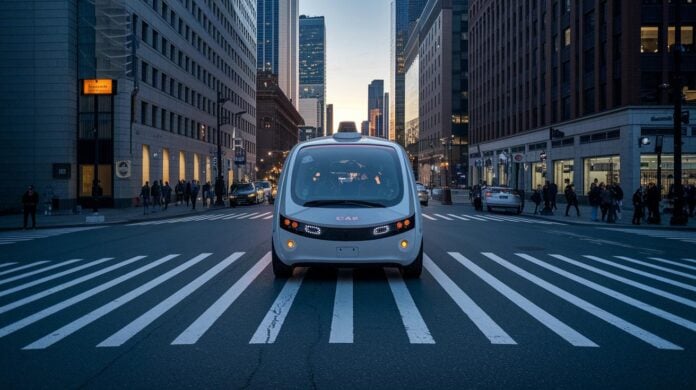
Ever wonder if cars that drive themselves might eventually leave us in the dust? Trials are taking off in places like Abu Dhabi and Europe. Companies such as WeRide, Uber, Bolt, and Pony.ai are busy testing Level 4 robotaxis (cars that drive with minimal human help), which means we might be one step closer to safer roads.
Big names like Tesla, Mercedes-Benz, and BMW aren’t sitting back either. They’re pushing these smart vehicles to new limits to see what’s possible.
This piece dives into how self-driving technology is shaking up our roads. What does that mean for the way we travel every day? Imagine a future where your car handles the drive while you sit back and enjoy the ride.
Autonomous Vehicles News: Bright Steps Forward
The auto scene is buzzing with excitement as self-driving tech makes huge strides. Imagine cruising in a car that drives itself – that's what WeRide and Uber are aiming for in Abu Dhabi with their Level 4 robotaxi service (Level 4 means the car can handle most driving tasks on its own). And over in Europe, Bolt and Pony.ai are also rolling out Level 4 taxis, proving that the push toward safer and smarter transport is happening around the globe.
Big names in the car world aren’t sitting still, either. Tesla, for instance, has to hand over its Autopilot data to U.S. regulators by October 22, all while reminding us that its FSD beta isn’t yet fully self-driving. It's a clear sign that even when things move fast, safety and oversight are still key. Meanwhile, Mercedes-Benz is teasing us with a look at its EQS Drive Pilot, which offers SAE Level 3 features (SAE Level 3 means the car can manage most aspects of driving, but the driver must step in when needed). BMW is also gearing up to launch Level 3 technology across the world by 2025. In short, the blend of tech breakthroughs and careful checks is driving the self-driving revolution forward.
| Highlight | Details |
|---|---|
| WeRide and Uber | Launching Level 4 driverless robotaxis in Abu Dhabi |
| Bolt and Pony.ai | Starting Level 4 autonomous taxi services in Europe |
| Tesla | Must submit Autopilot data by October 22; its FSD beta isn’t fully autonomous yet |
| Mercedes-Benz | Previewing EQS Drive Pilot with SAE Level 3 features |
| BMW | Planning a global rollout of Level 3 tech by 2025 |
Technological Breakthroughs in Autonomous Vehicles News

Recent tech advances are completely changing how self-driving cars sense the world around them. For example, Raytron’s new 180° thermal-imaging cameras let autonomous robotrucks see clearly even when the weather isn’t playing nice. They work like an extra set of eyes, giving the vehicle a clear view in the rain, fog, or snow so that everyone stays safer on the road.
Then there’s Murata’s UltraSonic Clearing Device, which earned the CLEPA Innovation Award. This nifty tool helps keep ADAS sensors (those are the safety helpers in your car) free from debris and bad weather effects. And if that wasn’t enough, Tensor Robocar’s Agentic AI lets you chat with your car in plain language, making it super easy to control functions while keeping your personal data safe onboard.
These breakthroughs show major progress in sensor accuracy, perception, and smart driving tools. Car makers are blending advanced AI (that's smart tech that mimics human thinking) with high-tech sensors to make self-driving vehicles more dependable and user-friendly. The table below sums up three big innovations that are pushing today’s self-driving revolution forward:
| Technology | Developer | Benefit |
|---|---|---|
| 180° Thermal-Imaging Cameras | Raytron | Improved all-weather perception |
| UltraSonic Clearing Device | Murata | Keeps ADAS sensors clear |
| Agentic AI Interface | Tensor | Natural language control with local data storage |
Regulatory Shifts in Autonomous Vehicles News
Policy actions are shaking up the world of self-driving cars. The NTSB has nudged NHTSA to beef up safety rules, meaning companies now need to show their vehicles truly meet these strict standards before hitting the road. In other words, if you’re a car company, you’ve got to prove your ride is safe before you take it out for a spin.
Over in Germany, officials have stepped in to stop Tesla from calling its Full Self-Driving system “fully autonomous.” This move makes sure automakers stick to clear and honest descriptions, so drivers really know what their tech can (and can’t) do.
And there’s more good news: WeRide just landed Switzerland’s first FEDRO permit for commercial driverless robotaxis. This is a big step forward for driverless services, proving that even breakthrough tech must follow the rules. All these changes show a worldwide push to keep safety first as cars become smarter and more reliable.
In short, while technology is racing ahead, regulators are ensuring that safety and transparency remain in the driver’s seat.
Industry Partnerships and Market Trends in Autonomous Vehicles News

Big partnerships are steering us toward a future where smart transport isn’t just a dream, it’s becoming reality. TIER IV and HORIBA MIRA are joining hands to bring an open-source driving platform to the roads of the UK and EU. This effort isn’t just following trends; it’s breaking new ground for self-driving vehicles and making it easier for technology and regulations to keep up.
Tech giants are also shifting gears in urban mobility. Microsoft, for example, is working with Cruise to boost robotaxi services in U.S. cities, giving us a sneak peek at what automated travel might soon look like. At the same time, Bolt and Pony.ai are rolling out Level 4 ride-hailing services across Europe. Level 4 means that these vehicles can handle most driving tasks on their own, promising a smoother and safer ride in the city. It’s clear that fresh investments and smart partnerships are fueling a wave of innovation in autonomous transit.
Then there’s Ford, which has committed a jaw-dropping $22 billion to boost electric and automated vehicle programs by 2026. This huge investment shows just how confident the industry is about a future filled with self-driving tech. With these groundbreaking collaborations and financial backing, the entire auto world is revving up for a major shift. For more insights on the future of mobility, check out auto industry trends 2025.
Safety Reviews and Performance Analysis in Autonomous Vehicles News
EUROGATE and Embotech recently showed off their new autonomous terminal tractor by running it through 18 tough tests on both land and water. They put it through real-world challenges, checking if it could handle busy roads and rough off-road conditions. These tests help create a solid safety benchmark for smart driving systems, making sure the tractor performs well no matter the situation.
Scania’s self-driving trucks also stole the show during mining work with help from PlusAI. In a carefully controlled setting, the trucks worked together like a well-oiled machine to move materials safely. This trial highlighted how important it is for sensors (the eyes of the truck) to be accurate and for multiple vehicles to work in unison, especially in tricky conditions.
DeepRoute.ai is on a mission to bring its self-driving platform to 200,000 vehicles by the end of 2025, aiming to capture 40% of China’s third-party autonomous vehicle market. This huge rollout depends on constant safety checks and performance tests to ensure that each vehicle runs smoothly and safely in all kinds of traffic.
Upcoming Autonomous Vehicles Announcements and Pilot Programs

The road ahead is filled with excitement and new ideas in self-driving technology and smart travel services. In the next few months, car makers and tech companies will reveal fresh models that almost drive on their own. BMW, for example, is planning to roll out its Level 3 tech (that means the car can handle most driving tasks itself) worldwide by 2025. Early next year, Pony.ai will launch its Gen-7 robotaxi fleet in Guangzhou, giving urban ride-sharing a cool, futuristic twist. And Honda isn’t sitting out either – its Legend with Level 3 help is set for key markets later this year, paving the way for smarter, next-gen rides.
Meanwhile, pilot projects are sparking changes in city travel. In Tokyo, TIER IV is getting ready to roll out driverless shuttles that will connect government offices under an METI pilot program. Over in Cumberland, CID has bagged $6.6 million from FTA funding to start an autonomous shuttle test in 2027. These programs highlight a bold move toward automated, on-demand transport that could soon reshape our everyday journeys.
Final Words
In the action, we rode through the latest updates in self-driving tech, safety tests, industry ties, and pilot initiatives. Each section connected real-world highlights like Level 4 robotaxi launches and innovative sensor breakthroughs with clear, fresh insights.
Autonomous vehicles news continues to reshape how we view mobility. The buzz around new tech, regulatory shifts, and market trends fuels optimism for smarter, safer roads ahead. Enjoy the ride into a future filled with inspiring automotive progress.
FAQ
What do today’s autonomous vehicles news include?
Today’s news covers driverless tech updates, major partnerships, and regulatory shifts. It highlights stories like Level 4 robotaxis and new sensor innovations that keep readers well-informed about the latest self-driving vehicle developments.
How does Tesla feature in autonomous vehicles news?
Tesla news often focuses on their Autopilot data submissions and clarifications on FSD beta. It keeps drivers informed about ongoing updates and regulatory requirements that affect Tesla’s driver-assistance features.
What does ADAS in international autonomous vehicle news mean?
ADAS refers to advanced driver-assistance systems (features like lane warnings and collision avoidance). International news discusses new tech awards, sensor cleaning devices, and improvements that boost ADAS performance worldwide.
What are self-driving cars and where can I read about them?
Self-driving cars navigate without human input using automated systems. Articles and reviews offer insights into safety benchmarks, technological breakthroughs, and market trends to help readers understand these vehicles better.
Which autonomous vehicles website offers reliable updates?
Many trusted websites provide concise news on autonomous vehicles, including headline roundups, tech advancements, and market trends. These resources help enthusiasts and drivers stay connected with the fast-changing world of driverless tech.
What does “beep” refer to in autonomous vehicles discussions?
The term “beep” often highlights audible signals or alerts used in autonomous vehicles. Such cues can enhance safety by notifying pedestrians and other drivers during automated operations.


tadalafil workout reddit
tadalafil workout reddit
udenafil reddit
udenafil reddit
domperidone mood effects
domperidone mood effects
semaglutida o que é e para que serve
semaglutida o que é e para que serve
xenical fda approval
xenical fda approval
doxycycline monohydrate 100mg cost
doxycycline monohydrate 100mg cost
flagyl 500 mg for uti
flagyl 500 mg for uti
terbinafine mechanism for ringworm
terbinafine mechanism for ringworm
terbinafine side effects information
terbinafine side effects information
ketoconazole indication list
ketoconazole indication list
terbinafine nail fungus treatment insights
terbinafine nail fungus treatment insights
ivermectin medical overview page
ivermectin medical overview page
ivermectin safety evaluation
ivermectin safety evaluation
vardenafil 10 mg summary
vardenafil 10 mg summary
Fastest Onset Information
Fastest Onset Information
Viagra vs sildenafil research summary
Viagra vs sildenafil research summary
Sildenafil vs Cialis Onset Effects
Sildenafil vs Cialis Onset Effects
Sildenafil vs Cialis Duration Mechanics
Sildenafil vs Cialis Duration Mechanics
Timing Comparison: Sildenafil vs Levitra
Timing Comparison: Sildenafil vs Levitra