
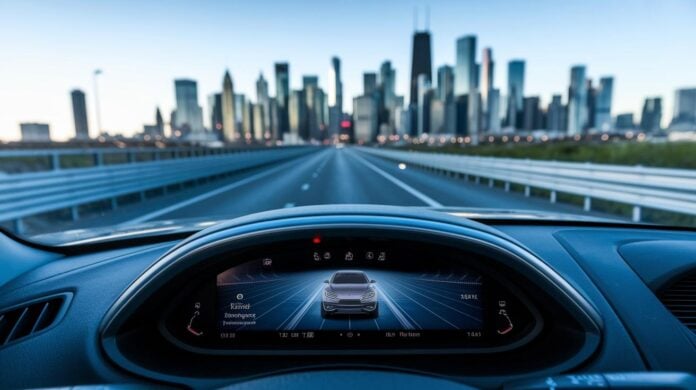
Ever feel like your daily ride could be a bit smoother and easier? Rivian just rolled out an update for its Gen 2 R1 vehicles that lets you drive hands-free on the highway 70% more than before. That means long trips could soon feel more effortless, almost like you're cruising on autopilot.
The upgrade isn’t just about cool new features, it’s changing how we actually experience the road. Rivian plans to introduce full hands-free driving by 2025, with even more exciting updates on the way. Ready to see how this innovation might make every drive safer and more enjoyable?
Rivian Self-Driving Technology Overview

Rivian has just dropped an exciting new update for its second-generation R1 vehicles, taking self-driving tech to a whole new level. This upgrade boosts hands-free highway miles by 70%, making your long drives feel more relaxed and safe. And guess what? It's just the start. Rivian plans to roll out hands-free driving by 2025 and move on to an even bolder eyes-free system by 2026.
They’re also planning production like a pro: Gen 1 vehicles will roll out through 2024, while Gen 2 models hit the roads starting in 2025. This isn’t just a simple software tweak, it’s an evolution in autonomous electric innovation. For more details on this cool development, check out Autonomous Vehicles News.
Drivers are already feeling the difference. With that 70% boost in hands-free miles, many say their highway commutes have become smoother and a lot less tiring. Ever felt that thrill of a carefree drive? It’s almost like having a trusted co-pilot that makes every mile easier.
Here's a quick rundown:
| Key Updates | Details |
|---|---|
| Update Location | Rolled out in Indiana for Gen 2 R1 vehicles |
| Launch Date | Gen 2 models set for 2025 |
| Policy Changes | Hints of US policy shifts favoring future dealership models |
| Upcoming Showcase | December event featuring unreleased self-driving AI features |
All these updates give us a clear glimpse into the future of Rivian’s self-driving system. It’s not just about flashy tech, it’s about making everyday driving safer, easier, and a little more fun. Imagine your next highway drive turning into a smooth, almost hands-free adventure.
Rivian Self-Driving System Features and Sensor Suite
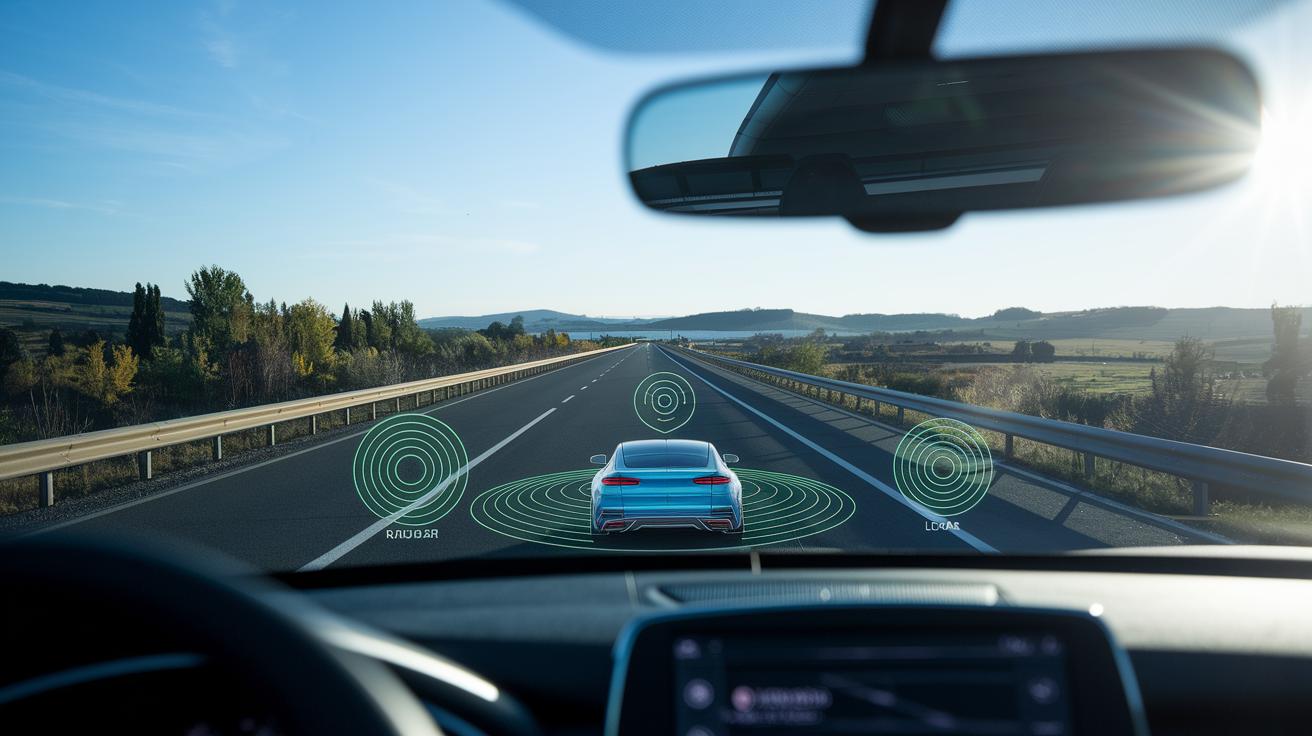
Rivian’s self-driving system takes a friendly, multi-sensor approach that really boosts safety and performance. By mixing radar, cameras, and LiDAR sensors, it pieces together a clear view of the world around you. This combo lets the vehicle make smart decisions while driving, ensuring every trip feels smooth and confident.
| Sensor | Function | Benefit |
|---|---|---|
| Radar | Measures speed and distance of objects | Helps track objects reliably, even in tricky conditions |
| Camera | Captures visual information for lane and sign recognition | Makes detecting lanes and signs on the road easier |
| LiDAR | Uses lasers for detailed depth sensing | Enables true Level 4 autonomy with precise mapping |
Some of the cool features include:
- Real-time mapping that offers an up-to-date view of your surroundings
- On-the-go sensor tuning to keep everything sharp and accurate
- Neural-network decision-making that learns and adapts on busy roads
- Early detection of obstacles to plan your safe drive ahead
- Over-the-air updates that keep the system fresh without any hassle
By blending all these advanced sensors, Rivian shows off the smart mix of radar and LiDAR integration. For instance, pairing radar with camera inputs enhances hands-free highway performance, while LiDAR in Gen 2 models sets the stage for achieving true Level 4 autonomy as costs dip. This layered sensor strategy means every bit, from precise mapping to adaptive neural processing, works together so you can enjoy a drive that feels both safe and assured.
Rivian Self-Driving Software Updates and OTA Enhancements
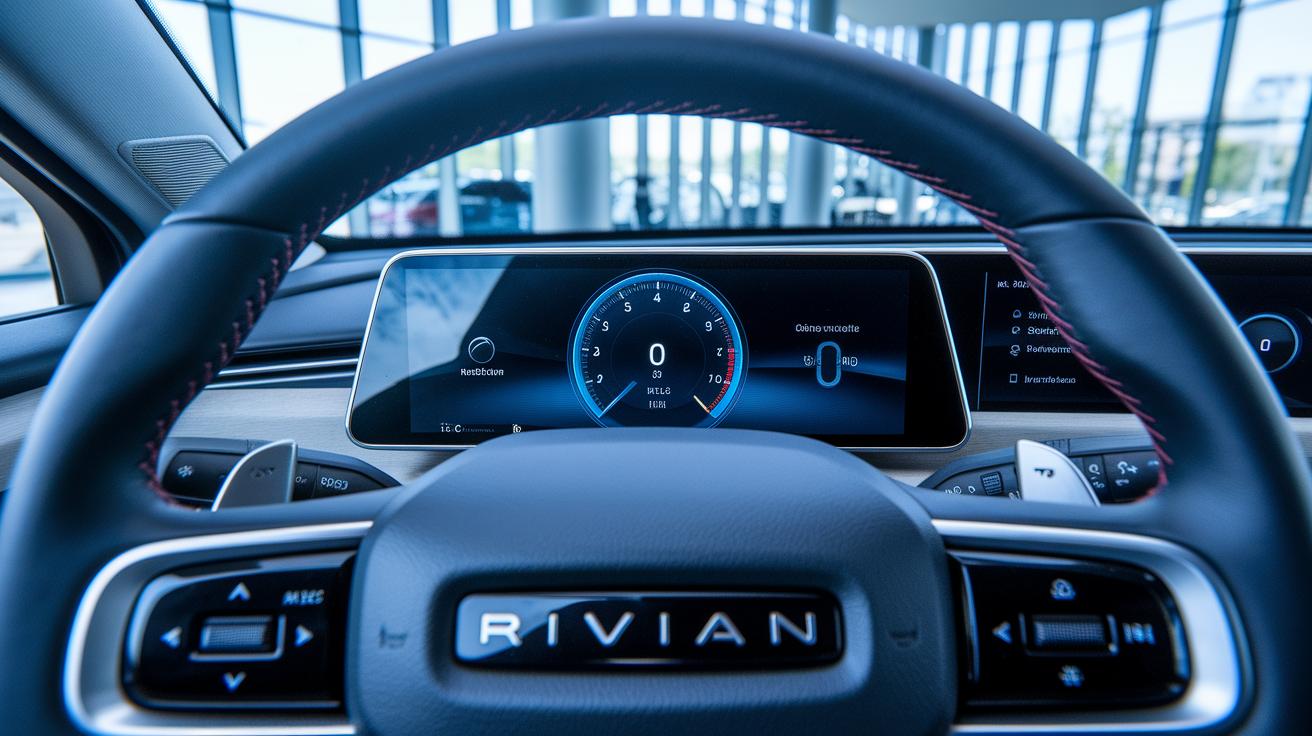
Rivian just rolled out a new update for its dual-motor cars with lithium iron phosphate batteries. A pesky battery display glitch had been showing the wrong charge info, leaving drivers guessing about how much range they had left. Now, the fix makes sure the battery readings are spot-on, like having a perfectly tuned dashboard needle that tells you exactly how fast you're going. Imagine knowing your battery level is just right every time you hit the road!
| Update Date | Issue Fixed |
|---|---|
| October 2023 | LFP battery display error |
| December 2023 | Preview of unreleased AI-driven self-driving features |
OTA updates like this keep Rivian’s driver-assist system up-to-date and sharp. With these real-time fixes, the system adjusts quickly to keep your ride safer and more responsive. It's just one more way Rivian makes sure you're always in control on the road.
Rivian Self-Driving Safety Protocols and Collision Avoidance
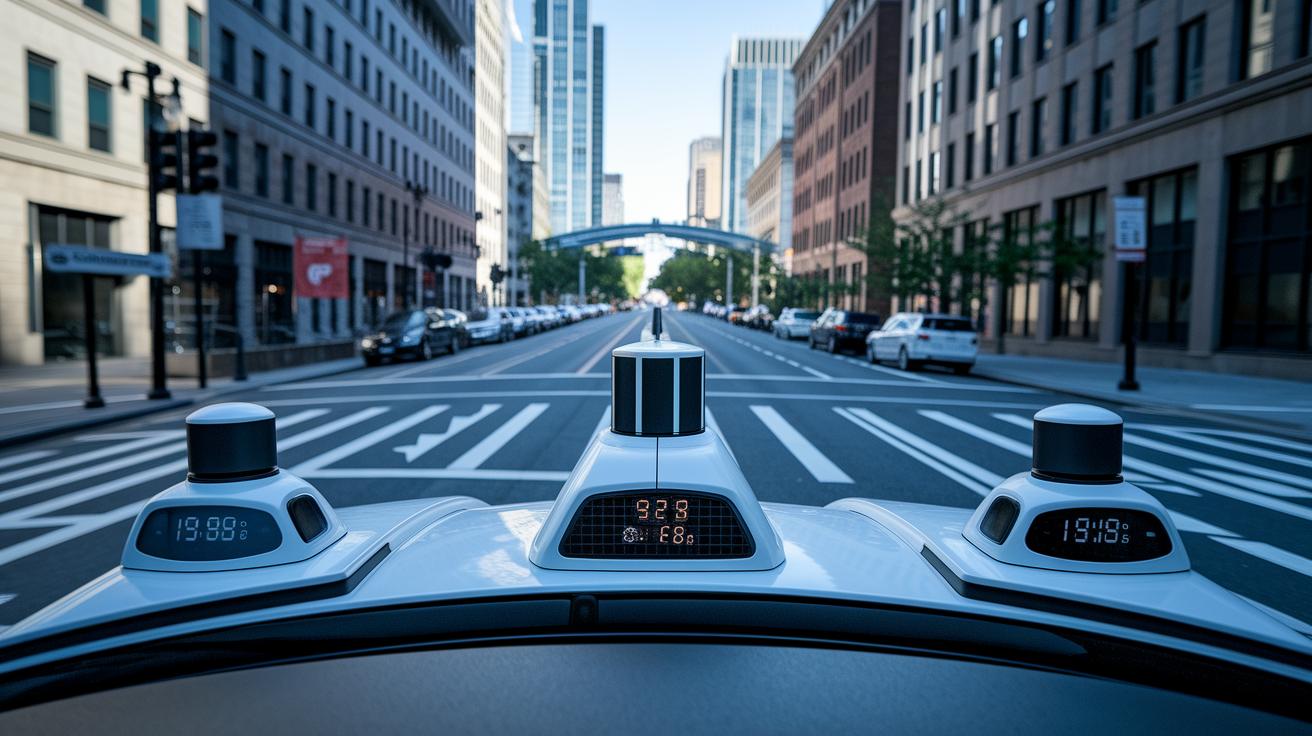
Rivian’s safety system for self-driving cars is all about layers working together to keep you safe on the road. They mix data from sensors like radar, cameras, and even LiDAR (a tool that uses light to spot distances) so the car gets a full, 360° view of its surroundings. In simple words, every bit of information is checked by smart computer programs to spot any trouble up ahead. CEO RJ Scaringe even points out that LiDAR is a key player compared to systems that rely only on cameras, making sure every sensor does its part.
- Extra sensor coordination
- Early obstacle spotting
- Emergency stop actions
- Driver alert checks
- Robust computer verifications
- Backup braking system
These aren’t just items on a list; they join forces to create a safety net that catches problems early. The car keeps an eye on what’s around it and automatically adjusts the way it senses things. With this kind of setup, Rivian is aiming to go beyond today’s standard level of self-driving technology. Upgraded tools like adaptive LiDAR help the car quickly understand and react to hazards. Every tweak, calibration, and new safety rule is designed to give drivers a sense of confidence and security, setting the stage for self-driving systems that not only assist but actively work to avoid collisions.
Rivian Self-Driving Regulatory and Market Challenges

Rivian’s big plans for self-driving cars are running into a web of rules over North America and Europe. In these places, safety guidelines and mobility rules are always changing, which means how these advanced systems hit the road can be tricky. U.S. policies are even hinting at ways that could let Europe try a dealership model, making things smoother overseas. At the same time, different certification tests and shifting trade deals add extra bumps along the way. Governments are keeping a close eye on self-driving tech, so Rivian has to adjust its systems to meet each region’s rules while still pushing forward with new ideas. This situation forces car makers to balance the cost of following rules with the rush of new tech. For more on these shifts, check out Automotive News.
- Policy Fit – Rivian has to meet local rules to ensure its systems hit all the right safety marks in every market.
- Certification Testing – Every region demands thorough checks and tests for self-driving features before regulators give the green light.
- Insurance Changes – As self-driving systems evolve, insurance companies will need to update their plans to cover new risks.
- Tariff Hurdles – Changing trade policies and possible tariffs, especially with manufacturing in Mexico, could shake up supply lines and raise costs.
Rivian is taking a careful, step-by-step approach to manage these challenges while keeping its progress on track. They’re rolling out regular updates and fine-tuning their self-driving tech to match new rules, which helps keep the vehicles safe and builds trust with regulators and drivers alike. By mixing smart innovation with tough safety standards, Rivian aims to overcome these hurdles without missing a beat. Every move they make becomes a real-life example of how to adapt to today’s fast-changing mobility scene while pushing the limits of self-driving electric vehicles.
Rivian Self-Driving Roadmap and Future Outlook
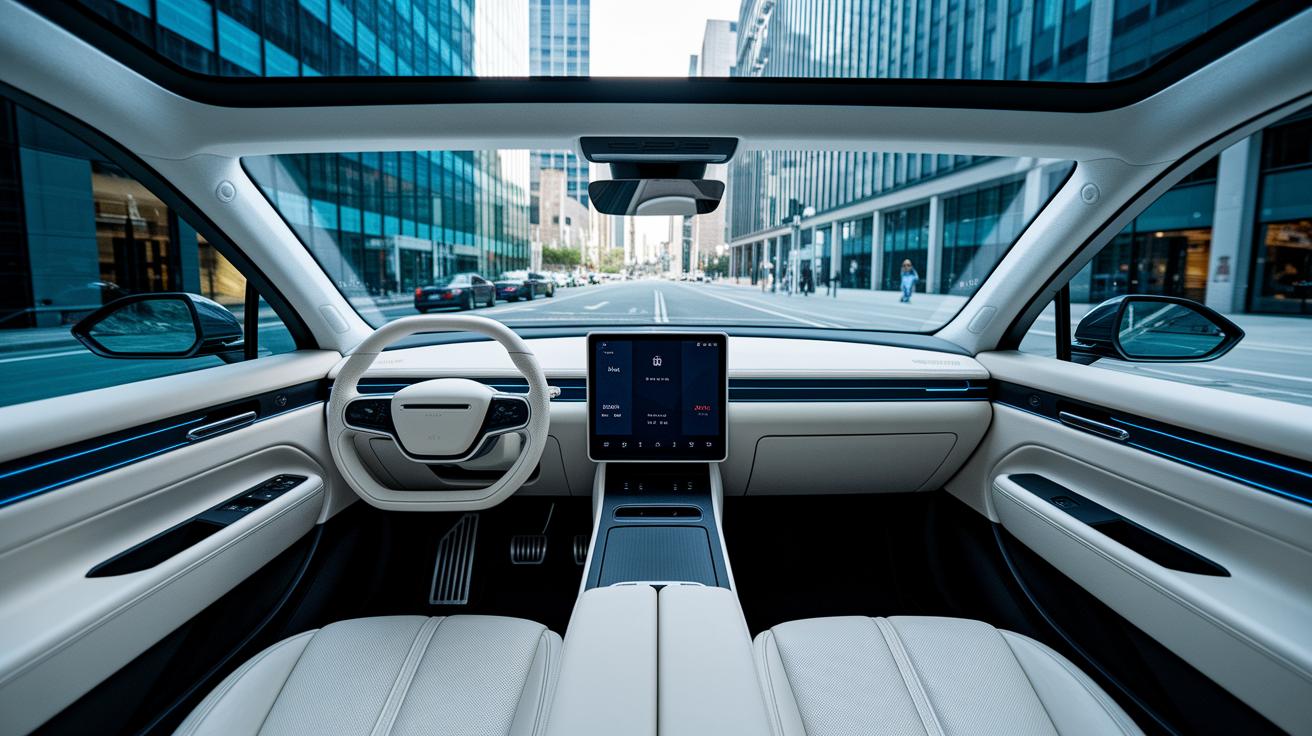
Rivian is shifting gears toward a future where cars drive themselves, and their plan is crystal clear. They’re eyeing hands-free driving by 2025 and an even smarter eyes-free system by 2026. Up to 2024, you’ll see their Gen 1 vehicles on the road, and come 2025, the all-new Gen 2 models will make their debut. This steady plan shows Rivian working hard to boost their self-driving tech while keeping safety and industry standards in check.
Here are five key stops on their journey:
- Gen 2 launch: In 2025, the next set of models will hit the road, pushing production to a new level.
- LiDAR integration: They’re adding laser-based sensors (think of it like giving your car super-accurate depth perception) as costs drop.
- Regulatory certifications: Rivian will get the thumbs-up from safety testers to prove their tech is up to snuff.
- AI feature unveiling in December: They’ll reveal cool new self-driving features that mix artificial intelligence (smart tech that learns from data) with everyday driving perks.
- Full eyes-free beta: This is the big test phase when the system runs completely on its own, without any driver help.
Every step is a big leap toward perfecting advanced driver-assist tech. By mixing LiDAR with smart sensor fusion, Rivian is building a strong base for full automation. Their plan is all about steady progress, boosting driver confidence, and matching what regulators want. When you look at this roadmap, it’s easy to see how close Rivian is getting to level 4 autonomy, a point where cars can handle almost everything on their own. For anyone who loves tech that makes driving smoother and safer, it’s an exciting ride ahead.
Final Words
In the action, we explored Rivian's fresh autonomy update, sensor upgrades, and the boost in hands-free highway performance. We touched on OTA fixes, robust safety features, and market challenges while mapping out a clear 2025–2026 timeline.
This summary captures the essence of rivian self driving and its continued evolution. With these insights, riders can enjoy greater confidence in their car decisions and look forward to a safer, more connected drive.
FAQ
How do Rivian self-driving and Tesla’s systems compare?
The comparison between Rivian self-driving and Tesla’s system reveals differences in sensor technology and phased updates, with Rivian’s plan boosting hands-free highway miles and aiming for increased autonomy by 2026.
What are users saying about Rivian self-driving on Reddit?
The discussions on Reddit show that users share mixed experiences, praising improvements in hands-free features while noting that further refinements are still needed to meet full autonomous expectations.
What does the cost of Rivian self-driving involve?
The cost of Rivian self-driving involves additional fees for advanced software and periodic over-the-air updates, with expenses likely shifting as the technology matures and new safety features roll out.
What is known about Rivian R2’s self-driving capabilities?
Rivian R2’s self-driving aims to integrate advanced sensors and enhanced autonomy features, following the company’s plan to offer progressively higher levels of driver assistance in future models.
What features define Rivian self-driving Gen 1 vehicles?
Rivian self-driving Gen 1 vehicles, produced until 2024, include the early autonomy software update that significantly improved highway performance, setting a solid baseline for future model enhancements.
How did Rivian self-driving develop in 2022?
In 2022, Rivian introduced early software updates that increased hands-free driving performance, marking the beginning of a steady improvement on its path toward full autonomous capabilities.
What does Rivian’s self-driving map refer to?
Rivian’s self-driving map refers to the detailed digital maps used alongside real-time sensor data, ensuring smoother navigation and more reliable obstacle detection on the road.
What is expected from Rivian self-driving in 2026?
By 2026, Rivian self-driving is expected to offer eyes-free operation with full autonomous features, as part of its two-stage roadmap moving from hands-free to an even more advanced system.
Which EV offers full self-driving, and how does Rivian compare?
While Tesla is known for its advanced driver-assist system, Rivian is working toward full self-driving through a multi-stage plan, aiming to provide hands-free driving soon and eyes-free autonomy by 2026.
What controversy surrounds Rivian’s self-driving technology?
The controversy with Rivian’s self-driving technology centers on challenges in achieving full autonomy and the debate over its safety and readiness, sparking discussions among industry watchers and car enthusiasts.
Will the Rivian R2 include self-driving technology?
Yes, the Rivian R2 is expected to include advanced self-driving features, aligning with the company’s ongoing roadmap to enhance driver assistance and eventually support full autonomous functionality.
Are Rivian’s current self-driving features fully autonomous?
Rivian’s current self-driving features are advanced but not fully autonomous; they require human supervision, as the technology is still evolving toward complete eyes-free operation in upcoming updates.


imodium tablet uses
imodium tablet uses
semaglutide dosage
semaglutide dosage
fincar 1mg tablet uses
fincar 1mg tablet uses
sildenafil newborn
sildenafil newborn
cialis pill colour
cialis pill colour
rogaine results female
rogaine results female
can doxycycline cause headache
can doxycycline cause headache
ketoconazole cream antifungal treatment
ketoconazole cream antifungal treatment
acular ketorolac clinical overview
acular ketorolac clinical overview
ketorolac tromethamine tablets
ketorolac tromethamine tablets
ivermectin common concerns
ivermectin common concerns
ivermectin demodex medical evidence
ivermectin demodex medical evidence
minoxidil mechanism details
minoxidil mechanism details
sildenafil counterfeit risks
sildenafil counterfeit risks
avanafil food interaction safety notes
avanafil food interaction safety notes
vardenafil 5 mg tablet summary
vardenafil 5 mg tablet summary
avanafil adverse reactions
avanafil adverse reactions
common side effects
common side effects
online drug safety guidelines
online drug safety guidelines
augmentin drug information
augmentin drug information
penicillin allergy medical summary
penicillin allergy medical summary
sildenafil clinical indications
sildenafil clinical indications
tadalafil 80 to 125 bioequivalence
tadalafil 80 to 125 bioequivalence
tadalafil safety and interactions
tadalafil safety and interactions
tadalafil online treatment access
tadalafil online treatment access
Ozempic pens and tablets overview
Ozempic pens and tablets overview