

Ever wonder if your next car might end up costing more than you planned? With tariffs climbing and loan rates rising, things in the auto world are definitely shifting. Imagine cruising down the highway, only to learn that your dream car now takes a bigger bite out of your savings.
This shift isn’t just about sticker prices. We're also seeing new twisty financing options that might change what you expect when you hit the dealership. Next up, this article dives into trends like these and more, all set to reshape the market in 2025.
So, what does it mean for drivers like you? Well, get ready to see some big changes that could affect your wallet the next time you shop for a ride.
Projected Market Dynamics in Auto Industry Trends 2025

The auto industry is shifting gears with a mix of new tariffs and financing twists. Imported cars now face a 25% tariff, plus extra charges on steel and aluminum parts. This has bumped up new car prices by about 10–15%. Imagine cruising along only to find that your dream ride now costs more, it's like an unexpected speed boost on your wallet. While this price jump sparked a short-term sales rise, experts now predict that by year-end 2025, only around 14.6 million vehicles will be sold.
Financing is another big player in this market change. Right now, new-auto loans average about 7.6% for 48-month terms, and used-car loan rates hover between 10% and 15%. These higher rates are pushing buyers to stretch their loan terms into 8–10 years. Sure, longer terms can ease monthly payments, but they might also mean paying more over time. Plus, with more people eyeing used cars, trade-in values are climbing and many drivers are keeping their cars longer.
On the production side, things are picking up after past hiccups, but supply chain challenges still linger. The smaller pool of used vehicles keeps the trade-in market buzzing, which helps maintain those higher trade-in values. Meanwhile, new policy changes, like the updated tariffs, are nudging automakers to rethink how they price and even produce their vehicles.
Insiders say rebuilding a strong supply chain is no quick fix. With global parts still on the move, automakers are turning to boost domestic production to weather these regulatory and inflation challenges. This whole look at market size, pricing trends, loan details, and sales numbers shows a clear picture: a mix of economic and policy factors are really steering where the auto industry will go in 2025.
Electric Vehicle Surge Driving Auto Industry Trends 2025
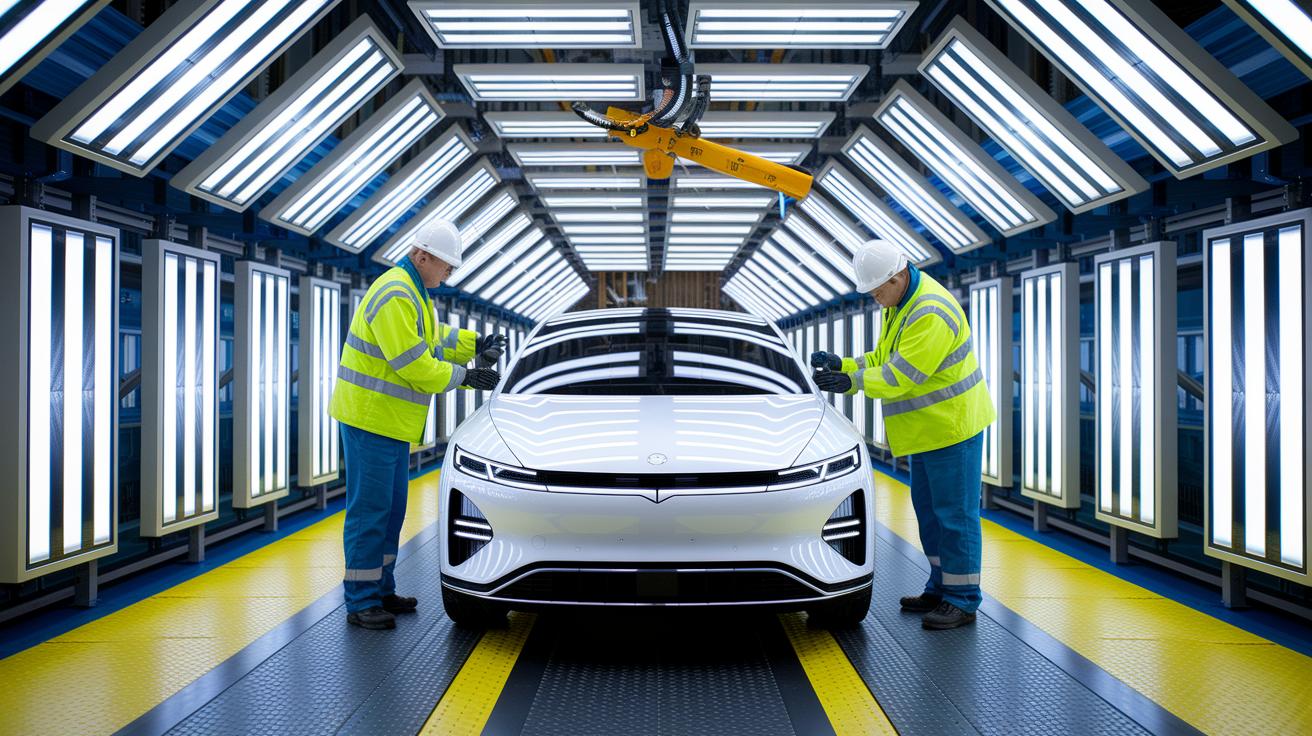
Supply chain hiccups and rising prices are paving the way for a big jump in electric cars come 2025. Some foreign carmakers have even paused importing certain EV models because costs got too steep. For instance, one manufacturer said, "We had to change gears and boost our local production when overseas prices shot up."
Car makers are now banking on a new electrification plan to keep the momentum. By focusing on making vehicles right here at home, they’re dodging global pitfalls and keeping costs in check. This local focus not only lifts domestic production but also sparks quicker innovations in design and technology. Pretty cool, right?
Another big piece of the puzzle is expanding the electric charging network. Plans are in place to increase public charging stations by 30% by 2025, which will act like a trusty pit stop to ease worries about battery range and make switching to EVs more inviting.
Plus, these new strategies are helping automakers streamline their production and cut back on pricey imported parts. With fresh investments and tech upgrades in local facilities, we’re seeing a clear surge in electric vehicles, a game-changing trend that’s set to reshape the auto scene in 2025.
Self-Driving Innovation and Advanced Driver Assistance in Auto Industry Trends 2025

Tariffs on parts like high-precision sensors and key electronic components have nudged up costs by about 10%. When these prices rise, every sensor matters more, and automakers are rethinking how they roll out self-driving innovations.
Rising financing rates and higher vehicle prices mean that high-tech features like autonomous navigation might hit the road a bit slower. It’s like waiting for that perfect moment, early buyers are a bit cautious until the price tag drops a bit.
Car makers, though, are getting creative. Imagine this: by 2025, 80% of new models will have over-the-air updates that let your car improve itself without a service visit. This means your ride can keep up with the latest safety and performance tweaks long after you drive off the lot.
Key focus areas include:
- Upgrading sensor technology to boost reliability.
- Expanding driver assistance features so lane-keeping and emergency braking work even better.
- Enhancing navigation systems to offer smoother driving on busy roads.
By balancing rising costs with smart update strategies, the auto industry is mapping out a future with smarter, self-aware vehicles that could transform everyday driving in 2025.
Smart Factory Advancements and Digital Transformation in Auto Industry Trends 2025

Production is bouncing back, and smart factory improvements are making a big difference after recent challenges. Car makers are now building and stocking vehicles much like they did before 2020. They’re rethinking how they put cars together and investing in modern tech on the production line. One great example is predictive maintenance (a tool that spots potential issues before they become major problems). It’s like having a finely tuned instrument that tells you something’s off before it really is.
The shop floor is also getting a digital makeover. Factories are using digital twins (virtual copies of the real production line) along with real-time diagnostic systems. Together, these tools catch issues early, reducing unexpected downtime by about 20%. Imagine having a digital replica of your factory that’s always on the lookout, pretty neat, right?
Key investments include:
- Upgrading automated production systems to boost efficiency
- Expanding predictive maintenance tools to keep unexpected stops at bay
- Rolling out robotic assembly lines, aiming for a 15% increase by 2025
These steps are streamlining operations, cutting delays, and saving both time and money. One plant manager even said it feels like the assembly line got a smarter brain, spotting problems fast and fixing them before they slow things down.
By mixing digital twins with automation, the industry is gearing up to increase capacity and efficiency in 2025, a promising road ahead for smoother rides.
Resilient Supply Chains and Regulatory Change Impacts on Auto Industry Trends 2025

A fresh 25% tariff on imported vehicles and key components like steel, aluminum, and electronics has pushed up costs by about 15%. This extra cost is nudging automakers to rethink how they handle their supply chains. They’re now turning to nearshoring, which means getting supplies closer to home to avoid long shipping delays and surprise price hikes.
Supportive policies, like tax credits aimed at boosting domestic production, have also kicked local sourcing into gear, now up roughly 10% by 2025. This shift not only makes it easier for companies to manage supply issues but also helps keep inflation and international uncertainties in check.
Key points include:
- 25% tariffs have bumped up component costs by about 15%.
- Nearshoring cuts down on shipping delays and extra fees.
- Domestic production tax credits are driving a 10% increase in local sourcing.
Alternative Propulsion Technologies and Battery Breakthroughs in Auto Industry Trends 2025
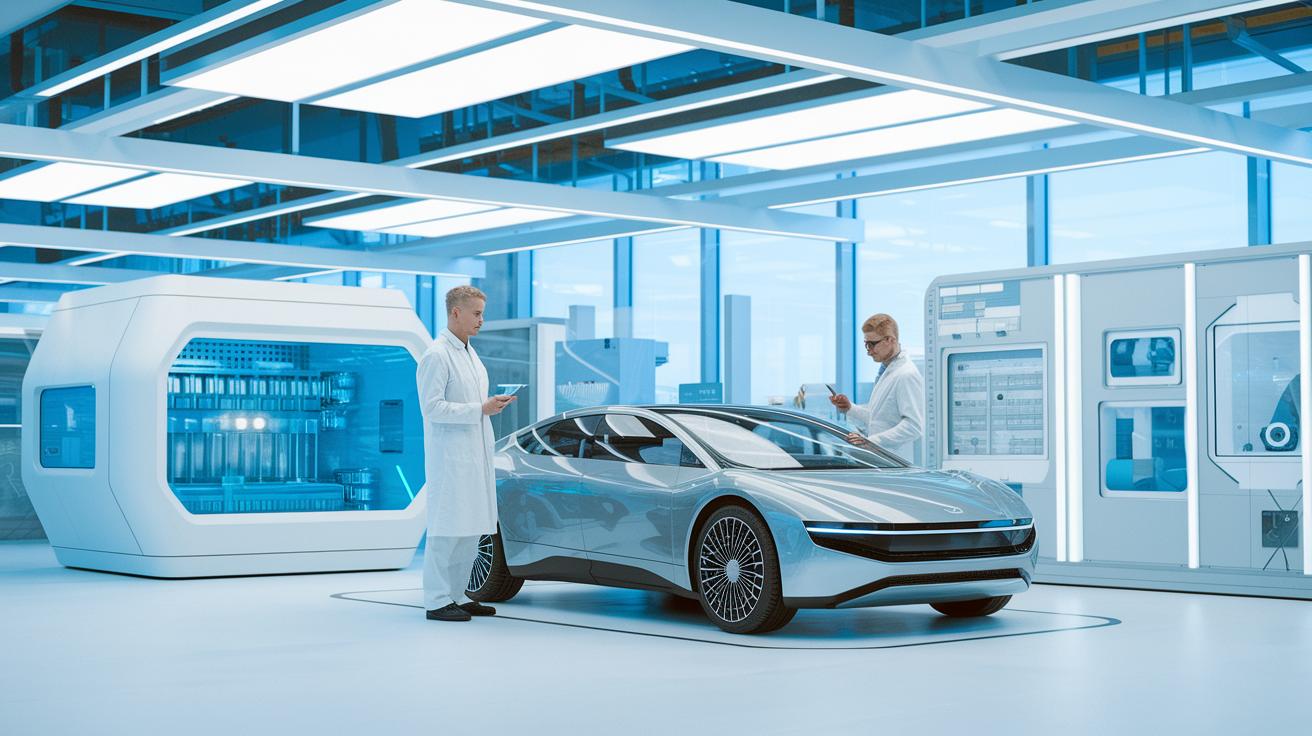
Battery parts and key minerals have gotten more expensive, costs have shot up by about 8 to 12%. This change is nudging automakers to look for smarter, budget-friendly options. Researchers are hustling to develop the next generation of batteries. They’re testing solid-state batteries (batteries without any liquid parts) that promise to charge 50% faster and store 20% more energy. Imagine getting back on the road in almost half the time you’re used to!
Meanwhile, car manufacturers are putting serious work into hydrogen fuel cell vehicles. Production of these rides is expected to jump by 40%. This move helps reduce the heavy reliance on lithium-ion batteries (the common batteries that power most gadgets and cars but come with rising costs and environmental concerns). By mixing up their power options, automakers hope to keep vehicles both green and efficient.
Drivers today really want cars that can go further and take shorter charging stops. That’s why there’s a big push to perfect new battery formulas. The goal is to crush current cost hurdles and boost performance. In simple terms, this push for alternative energy means a future where your ride is not only peppy but also kinder to our planet.
All these breakthroughs are setting a fast, exciting pace for car makers determined to steer us toward greener, smarter mobility in 2025.
Consumer Mobility Insights and Emerging Ownership Models in Auto Industry Trends 2025

Rising loan rates on new cars at 7.6% and on used ones at 10–15% are pushing folks to hang onto their rides for longer. It’s like they see their car as a long-term partner rather than just something to drive around for a while. And with fewer used cars on the lot, trade-in values have shot up by 5–10%, giving drivers a better deal when it’s time to swap for a new set of wheels.
These tougher financing conditions are also making service-based options more attractive. More people are warming up to ride-share and subscription plans, which could account for about 15% of new car registrations by 2025. Just imagine not owning a car at all, but still having access to a whole lineup of vehicles whenever you need them, it’s like renting a new ride every day without any of the usual stress.
Key factors steering these changes include:
- High-interest loans encouraging drivers to keep their cars longer.
- A tighter used-car market boosting trade-in values.
- The rise of flexible mobility services that offer both convenience and cost-savings.
- A general move away from traditional car ownership in favor of more adaptable options.
In short, these shifts show that today’s drivers value flexibility and smart spending. It’s an exciting time as new ownership models and service-driven transport solutions start to reshape how we all get around.
Final Words
in the action, we explored market dynamics, electric vehicle surges, self-driving innovations, smart factory upgrades, and supply chain shifts. We examined tariff impacts, cost changes, and new financing challenges while shining a light on emerging ownership models. The post broke down complex data into clear insights about auto industry trends 2025. Every section shows practical shifts that help shape decisions and fuel excitement for what's ahead. The road looks bright, filled with promise and practical tips every car fan can appreciate.
FAQ
What are the key auto industry trends for 2025?
The auto industry trends for 2025 show a mix of rising EV adoption, smart factory technologies, enhanced safety features, and resilient supply chains. Tariff hikes and innovative battery designs also drive market evolution.
What is the U.S. auto sales forecast for 2025?
The U.S. auto sales forecast for 2025 suggests a drop to roughly 14.6 million new units. Higher tariffs and increased financing rates push consumers toward longer vehicle ownership and alternative mobility solutions.
How will automotive technology and self-driving innovation evolve in 2025?
Automotive technology in 2025 will strengthen with smarter self-driving systems and advanced driver assistance features. Manufacturers plan to integrate over-the-air updates in most models, making vehicles safer and more connected.
What changes are expected in electric vehicle adoption in 2025?
Electric vehicle adoption is set to surge in 2025. Domestic production ramps up, public charging stations increase, and supply chain strategies evolve to meet cost pressures and support EV growth.
How are consumer trends affecting car buying in 2025?
Consumer trends in 2025 show buyers holding onto vehicles longer due to higher loan rates and limited used supply. Subscription services and shared mobility options are also gaining popularity.
What will cars be like in 2025?
Cars in 2025 will feature enhanced safety systems, modern tech like over-the-air updates, longer electric ranges, and more efficient production designs, offering drivers a safer and more connected ride.
What are the projections for automotive trends beyond 2025, such as in 2026 and 2030?
Projections for 2026 and 2030 foresee ongoing tech innovations, evolving supply chains, and growth in alternative propulsion. EV and smart production trends will persist, shaping a dynamic auto future.