

Have you noticed how car prices have been doing unexpected things lately? Picture this: you're coming off a steep climb and suddenly, you're cruising on a flat, smooth road, that’s the vibe many buyers are sharing.
By October 2025, you'll see used car prices staying pretty steady while older models are actually showing a boost in value. This blend of trends is hinting at some thrilling shifts in the auto scene.
In our post, we dive into these changes and chat about why these price moves are sparking a fresh wave of optimism for both buyers and sellers. Ever felt that little thrill when the market starts to surprise you?
Snapshot of Auto Price Trends: October 2025 and Seasonal Patterns
Right now, the average used car listing price in October 2025 sits at $25,512. This comes after a steady decline over 25 weeks that mirrors what we usually see during the cooler autumn and winter months. It’s like feeling the crisp change in the air, seasonal factors are clearly shifting the market. Fun fact: before digital tracking became common, the auto market’s seasonal swings were a big hint about wider economic trends.
In early October, retail prices for used cars have mostly held their ground, even while wholesale values kept falling. It seems local dealerships are keeping prices steady, almost like cruising along a flat road after a challenging climb.
On the flip side, older pre-owned vehicles are bucking the trend by rising in value faster than newer models. This odd twist might mean collectors are finding hidden gems in cars that have aged gracefully. When you compare these details with past trends, it turns out the overall market might be slowing down, but there are pockets where value is still building.
Analysis of Factors Driving Auto Price Trends
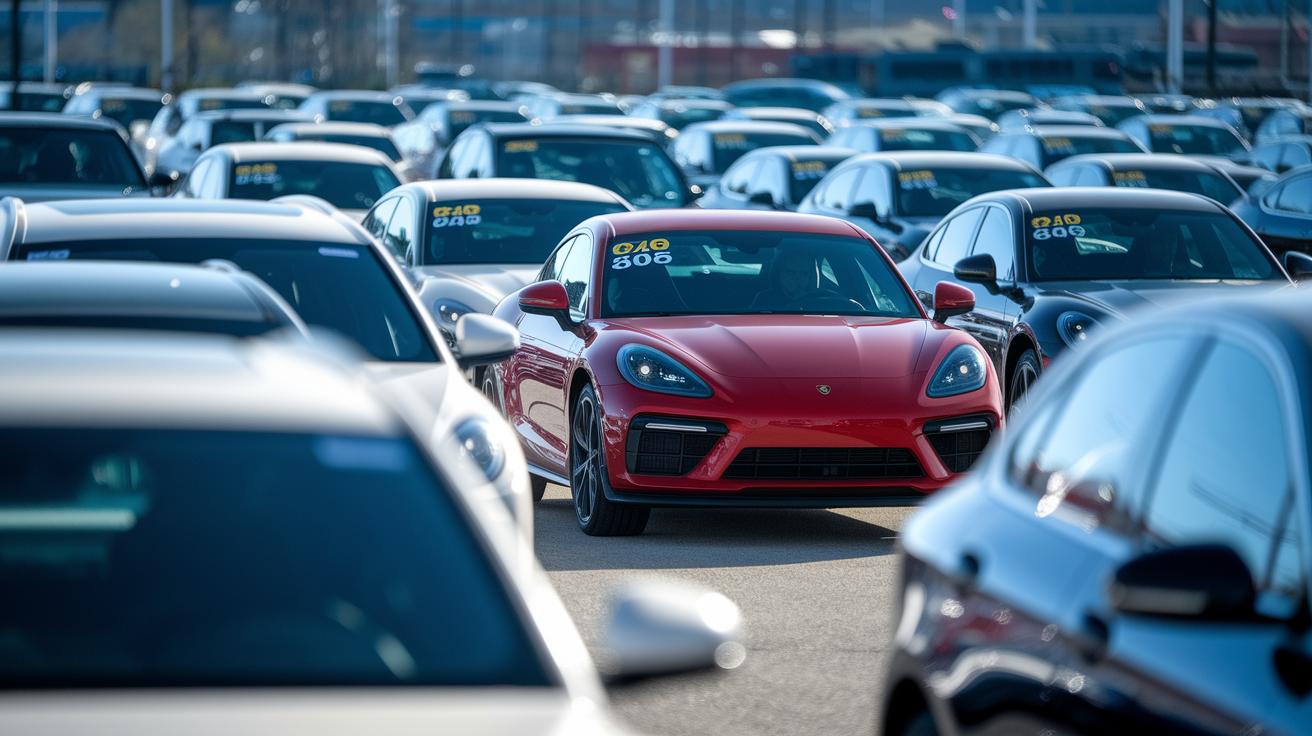
Back in 2021, used car prices jumped by 32 to 36 percent because the market was short on stock. It was like feeling a sudden burst of horsepower (the force that makes your engine move) when you least expect it. Before modern data tracking became common, a tight supply quietly sent prices soaring, showing just how much a small shortage can impact costs.
Fast forward to early October 2025, and things look a bit different. Wholesale prices for trucks and SUVs dropped by about 0.55 percent as dealers shifted their focus to pushing new-car deals. This change means buyers now have a bit more room to negotiate, as dealerships roll out attractive offers to clear their lots. At the same time, inflation keeps overall costs from dropping too quickly, much like balancing a turbocharged engine with a steady hum in the background.
All in all, these shifts, both the big jump in 2021 and today's moderate wholesale changes, show how the car market is constantly evolving. Factors like inventory shortages, dealer promotions, and inflation keep the auto price scene dynamic, with each week writing a new chapter in this ever-changing journey.
Segment-Specific Auto Price Trends: Sedans, Trucks, SUVs
Prices in different vehicle categories are moving at different speeds. Sedans slipped by 0.34% this past week. In particular, midsize and luxury sedans saw the biggest price drops. Trucks and SUVs both fell by about 0.55% over the same period. This mix of changes gives buyers more room to negotiate while dealers tempt you with new-car deals.
It’s kind of like adjusting your rearview mirror; one angle dips noticeably while the other stays almost steady to keep a balanced view. These shifts might brighten market hopes by making some cars a bit more affordable, even as the overall trends keep on evolving.
| Vehicle Segment | Weekly Change | Notes |
|---|---|---|
| Sedans | -0.34% | Midsize and luxury models took the biggest hit |
| Trucks | -0.55% | More room for negotiations with appealing dealer incentives |
| SUVs | -0.55% | Similar trends as trucks, showing market adjustments |
These figures really show how the used car market is always shifting as each type of vehicle adjusts to new trends.
Forecasting Auto Price Trends: Short-Term and Long-Term Projections
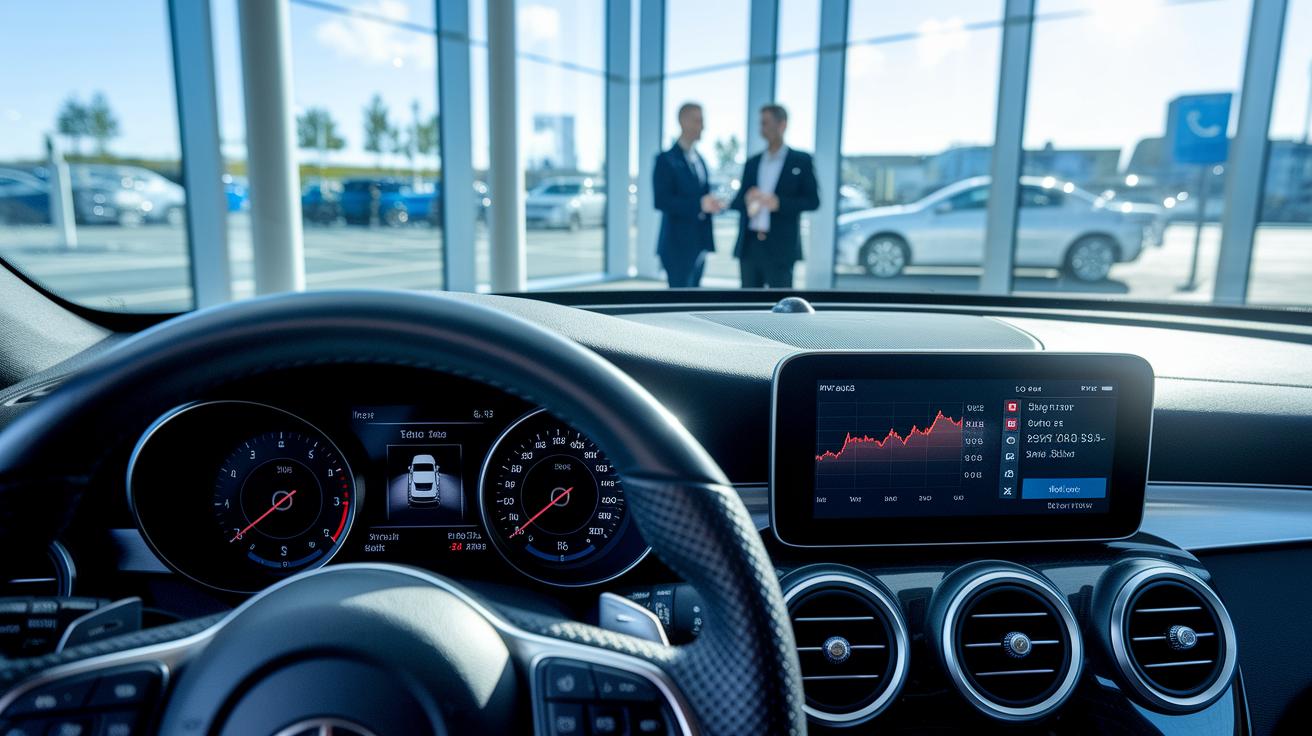
Imagine checking car prices in real time, just like glancing at your dashboard on a sunny day. With today's interactive platforms, you can watch both new and used car prices shift every minute. It’s like having a co-pilot who gives you up-to-the-second insights along with friendly expert tips, so you always know exactly where the market stands.
There’s more, too. By using Black Book valuation data, which is reliable pricing info, you also get short-term forecasts and even projections for several years ahead. Think of it like checking the weather before a road trip; you get a clear idea of how seasonal changes, like those chilly autumn and winter months, might impact your budget.
These handy feeds even let you play with different scenarios, looking at everything from quick market moves to long-term changes in car prices. It’s like having a detailed roadmap that helps both buyers and sellers see the big picture using clear, data-driven insights.
Final Words
In the action, we saw October 2025 auto price trends showing a steady 25-week drop and a stable retail scene alongside older models that bucked the trend. The post broke down how market forces and seasonal patterns influence different segments like sedans, trucks, and SUVs while highlighting tools that guide our forecasts. This overview keeps our eyes on the pulse of cost changes and equips us with the know-how to make smart choices. Stay positive and keep learning, there's plenty of opportunity ahead in auto price trends.
FAQ
What do used car prices chart by year and used auto price trends indicate?
The used car prices chart by year and auto price trends indicate annual shifts in used car values, revealing overall market changes that help buyers and sellers follow seasonal and yearly pricing patterns.
What is the forecast for used car prices and market trends in 2025?
The used car market forecast for 2025 suggests gradual price variations with periods of decline and occasional increases, reflecting ongoing market adjustments that can guide buying decisions and timing.
How does a car price history chart by model help consumers?
The car price history chart by model shows how different vehicles have shifted in value over time, offering buyers insights into long-term performance and helping compare cost trends between models.
What do used car price trends by month show?
The used car price trends by month reveal short-term fluctuations in vehicle values, helping shoppers spot seasonal patterns and identify the best times for negotiation or purchase.
How do new car prices chart by year benefit buyers?
The new car prices chart by year tracks how new vehicle costs change over time, helping consumers pinpoint favorable buying windows and compare pricing trends from year to year.
When will car prices go up due to tariffs?
The timing for car price increases due to tariffs depends on policy updates and market responses, as adjustments typically follow new tariff announcements influencing dealer pricing strategies.
What is the 30-60-90 rule for cars?
The 30-60-90 rule for cars explains a guideline that offers phased checkpoints during initial ownership, with reviews at roughly 30, 60, and 90 days, helping buyers confirm the vehicle’s performance and condition.
What is the 20% rule when buying a car?
The 20% rule when buying a car advises that extra spending on add-ons or upgrades should not exceed 20% of the car’s total cost, keeping the purchase financially balanced and sustainable.